Recording Grandma's Recipes and the Stories Behind Them
July 27, 2026
More Than a List of Ingredients
A family recipe is never really about the food. It is about the person who made it, the kitchen it filled with warmth, and the people who gathered to eat it. When you write down Grandma's recipes, you are saving a taste of home. When you also capture the stories behind them, you are saving her.
Do both, and a plate of cookies becomes a piece of family history.
Cook Alongside Her, Do Not Just Copy the Card
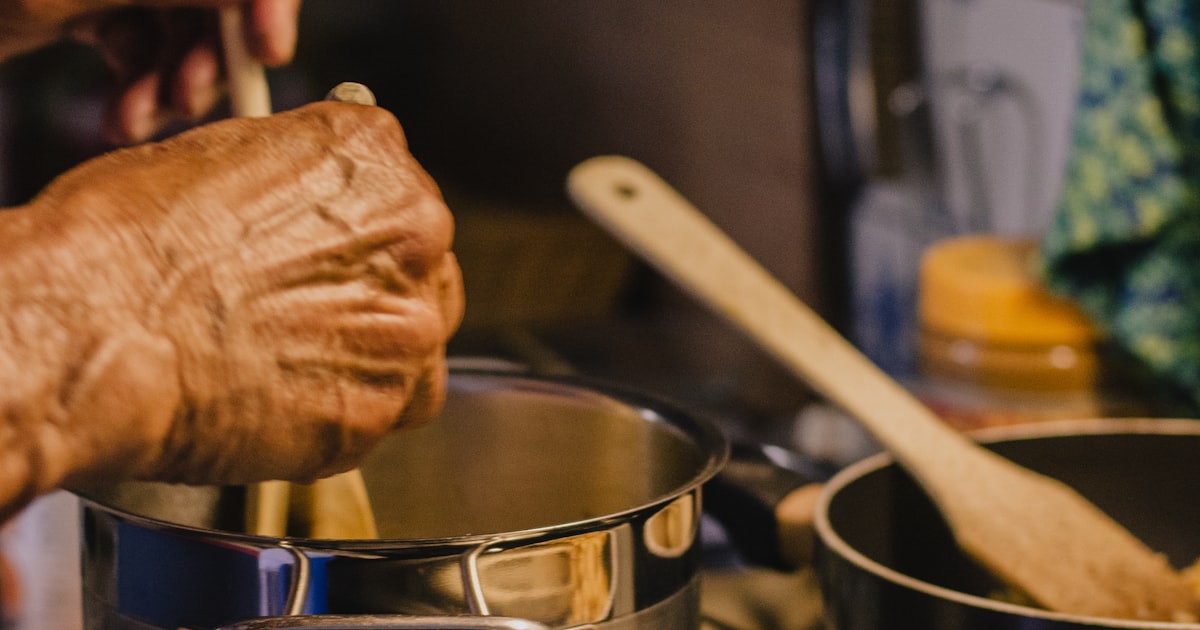
The best way to record a recipe is to make it together. So much of what a good cook knows lives in her hands, not on paper.
- Watch what she does that the recipe does not mention
- Notice when she says "until it looks right" and ask what right looks like
- Write down the substitutions and shortcuts she has learned over the years
- Measure the "handfuls" and "pinches" so you can repeat them later
Ask the Questions Behind the Dish
While the pot simmers, this is your chance to gather the stories. Try questions like these:
- Who taught you to make this?
- When did our family start eating this dish?
- What occasions did you make it for?
- Did the recipe change over the years, and why?
- Is there a funny or difficult memory tied to this meal?
These answers are what turn a recipe card into a story worth keeping.
Capture the Details That Fade
Some things vanish the fastest, so make a point of recording them.
- The exact brand or ingredient she insists on
- The old pan or tool she always reaches for
- The smell and sound of the dish when it is ready
- The way the table looked when it was served
Save It in More Than One Form
A single handwritten card can be lost, stained, or thrown away. Protect these recipes by keeping them in several places.
- Photograph the original card in her own handwriting
- Type up a clean version with the full instructions
- Record audio or video of her cooking and talking
- Make copies for every family member who wants one
Her handwriting is part of the treasure, so do not discard the original when you make the clean copy.
Let the Stories Come Out Naturally
You do not have to capture every recipe and every story in one long afternoon. It is gentler, and often richer, to gather them a little at a time, one dish and one memory on each visit. This is a nice thing to let a tool help with. Family Diary can ask your grandmother one warm question a day, including questions about the meals she made and the people she made them for, and it saves her spoken answers so the stories behind the food are preserved in her own voice alongside the recipes.
Turn It Into Something to Keep
Once you have gathered a handful of recipes and their stories, give them a home.
- Make a simple family cookbook, printed or digital
- Pair each recipe with a photo and the story behind it
- Include her voice with a recording, if you captured one
- Give copies as gifts so the recipes stay alive in many kitchens
Someday, long after Grandma is gone, someone will make her cake and taste exactly what you tasted as a child. The recipe keeps the flavor. The story keeps her. Start with the dish your family loves most, and cook it together this week.