How to Write a Family History, Step by Step
July 24, 2026
Why Bother Writing It Down
Every family carries stories that live only in a few people's memories. When those people are gone, the stories usually go with them. Writing a family history is how you turn fragile memory into something your grandchildren can hold. It sounds like a big project, and it can be, but it becomes manageable when you break it into steps.
You do not need to be a writer. You need to be curious and a little bit organized.
Step 1: Decide on Your Scope
Trying to cover everyone back to the 1700s will stall you fast. Pick a focus you can finish.
- One person, such as a grandparent's full life story
- One household, such as your parents and their children
- One theme, such as how your family came to this country or the family business
- One era, such as your mother's childhood during a particular decade
You can always widen the scope later. Starting narrow is how you actually start.
Step 2: Gather What Already Exists
Before you write a word, collect your raw material.
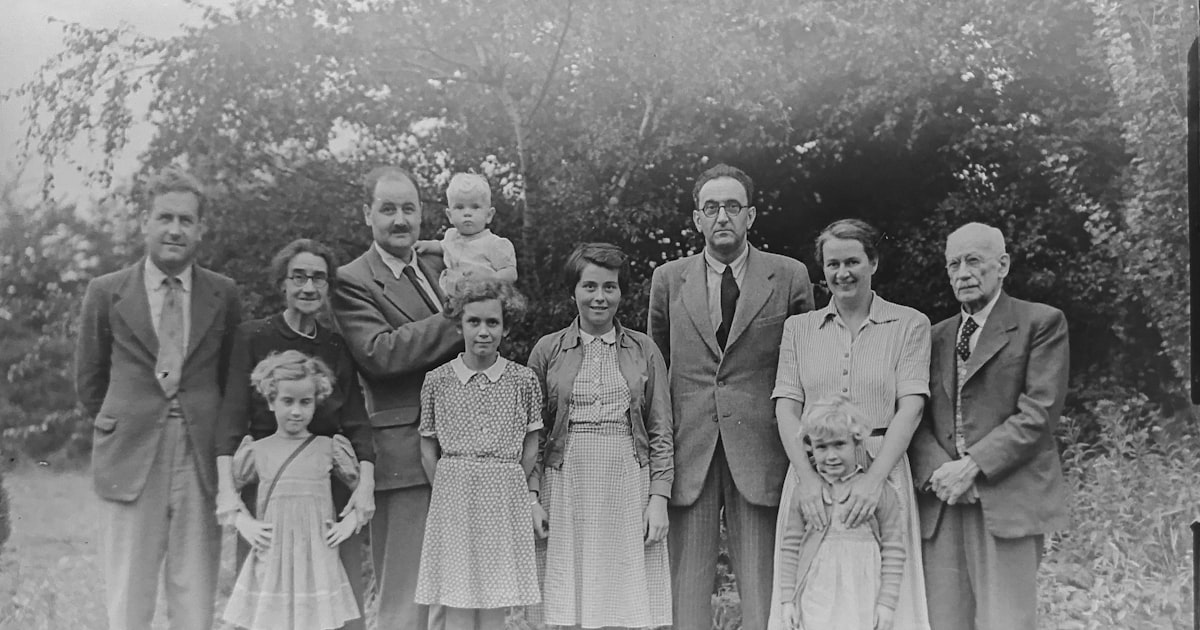
- Photographs, and turn them over to check for names and dates on the back
- Letters, diaries, and old greeting cards
- Official records like birth, marriage, and immigration documents
- Recipe cards, family Bibles, yearbooks, and newspaper clippings
Put digital copies in one folder so nothing gets lost.
Step 3: Interview the Living
The people in your family are your most valuable source, and they will not be here forever. Sit down with the oldest relatives first. Ask open questions and record the conversations so you can focus on listening.
Good prompts include:
- What is your earliest memory?
- What were your parents and grandparents like?
- What was happening in the world when you were young?
- What family stories were you told growing up?
Step 4: Build a Timeline
Once you have your material, lay it out in order. A simple timeline anchors everything else. Note births, marriages, moves, jobs, wars, and other turning points. Gaps in the timeline show you what still needs research, and the sequence helps you see cause and effect across a life.
Step 5: Write in Scenes, Not Just Facts
A list of dates is a record, not a story. Bring it to life by writing in scenes. Instead of "They married in 1952," try "They married in a borrowed suit on a rainy Tuesday because that was the only day the church was free."
- Use specific details you gathered in your interviews
- Quote people in their own words when you can
- Include the ordinary things, like what a kitchen smelled like
Step 6: Organize and Share
Decide how the history will live. Some families make a printed book, others a simple binder, others a private website. What matters is that more than one person has a copy.
If pulling all of this together feels like a lot, this is where a tool like Family Diary can carry some of the weight. It asks a relative one question a day, records their spoken answers, and organizes those answers into a structured life story over time, so a good part of the gathering and shaping is already done when you sit down to write.
Keep the Project Alive
- Set a small, regular time to work on it, even fifteen minutes a week
- Share drafts with relatives, who will correct details and add memories
- Do not wait for it to be perfect before you let people read it
A family history is never truly finished, and that is fine. Every version you complete is a gift to the people who come after you. Start with one relative and one question, and build from there.